Follow Us On:

Packaging and Shipping Supplies

Which shipments are considered as dangerous goods?

Dangerous goods are items or substances which could pose a risk to health, safety, property or the environment. They need to be packed properly, handled carefully and shipped with the required expertise to ensure they arrive safely at their destination. If you’re not sure whether your shipment is classified as a dangerous good, ask the manufacturer or supplier for a Safety Data Sheet (SDS). If it shows or mentions a UN number in chapter 14, it is a dangerous good.

Which dangerous goods do we ship?

There are nine classes of dangerous goods and it’s important to know which products fall into them. Some goods, such as explosives and poisons, are clearly dangerous. But others may surprise you. Aerosols, perfumes and most products that contains lithium batteries – such as mobile phones or laptops – all count too.
The classifications for dangerous goods can be found below.

Accessible dangerous goods

Class 1: Explosives

(Like fireworks or flares) Can be accepted only in certain markets and for Division 1.4 only

Accessible dangerous goods

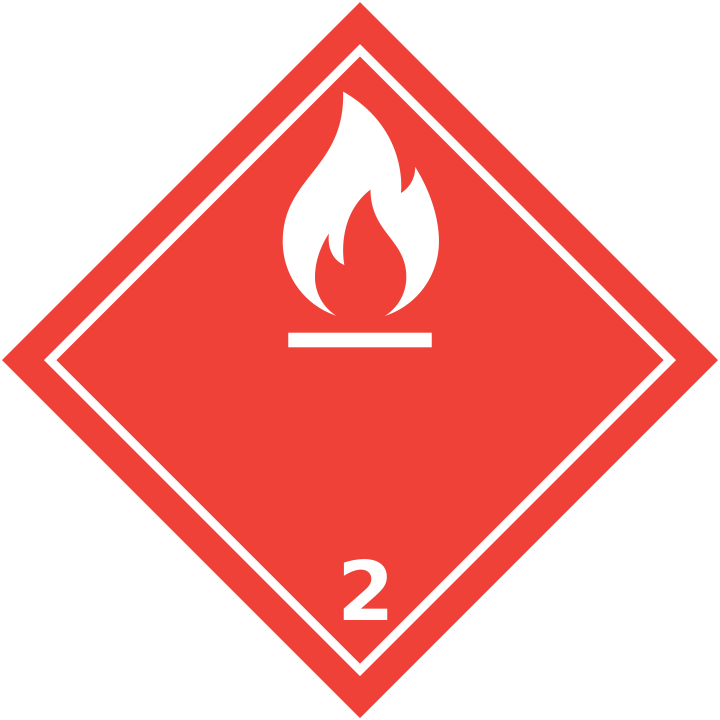
Division 2.1: Flammable gas

(Like camping gas)


Accessible dangerous goods

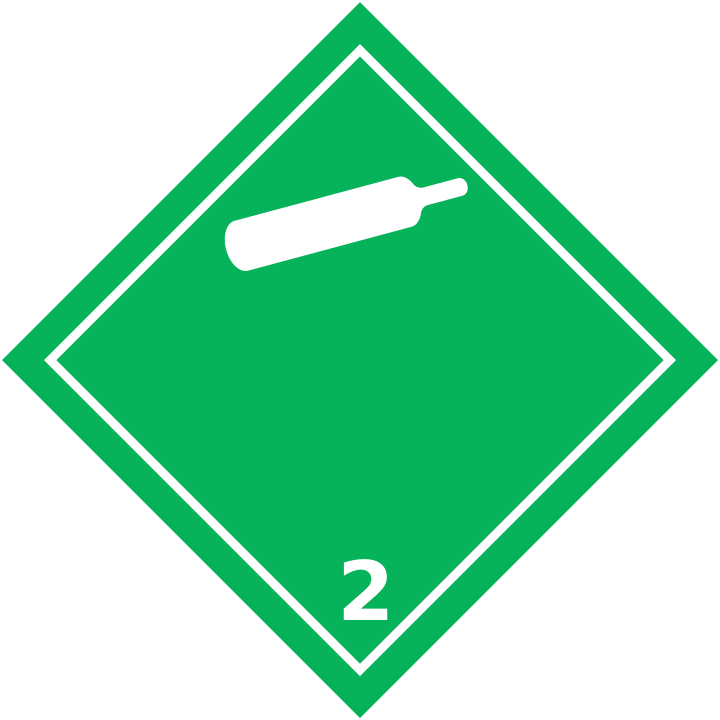
Division 2.2: Non-flammable gas/non-toxic gas

(Like Carbon dioxide)


Accessible dangerous goods

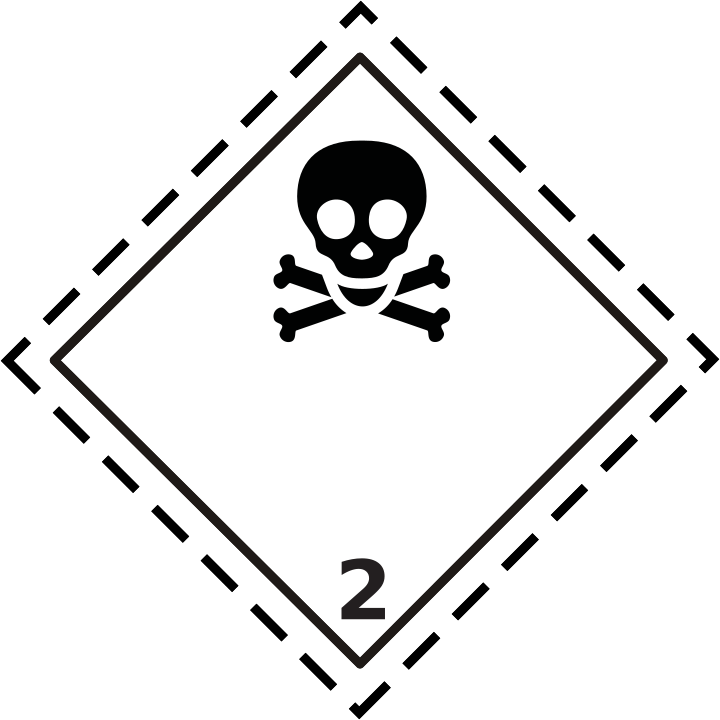
Division 2.3: Toxic gas

(Like carbon monoxide) Not accepted by FedEx
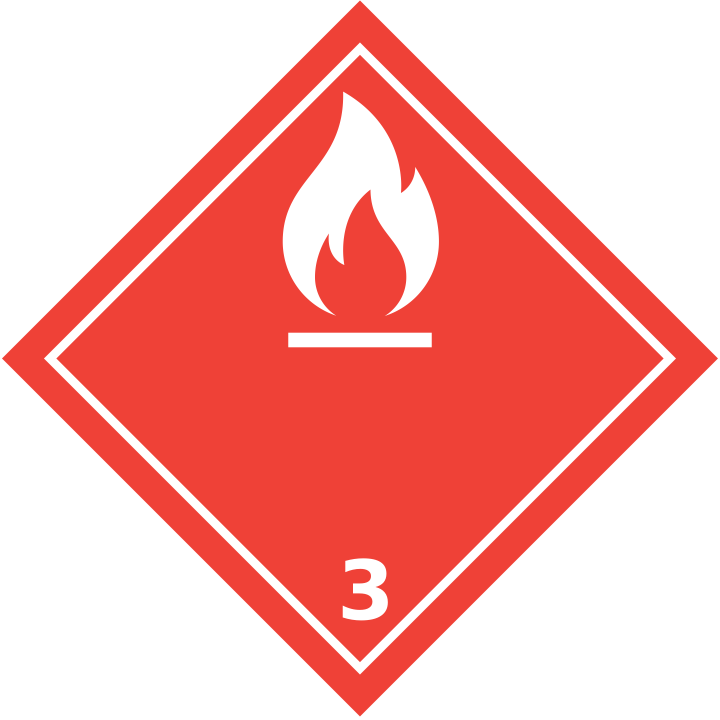

Accessible dangerous goods

Class 3: Flammable liquids

(Like solvents or paints)


Accessible dangerous goods

Class 8: Corrosives

(Like bleach or drain cleaner)


Inaccessible dangerous goods

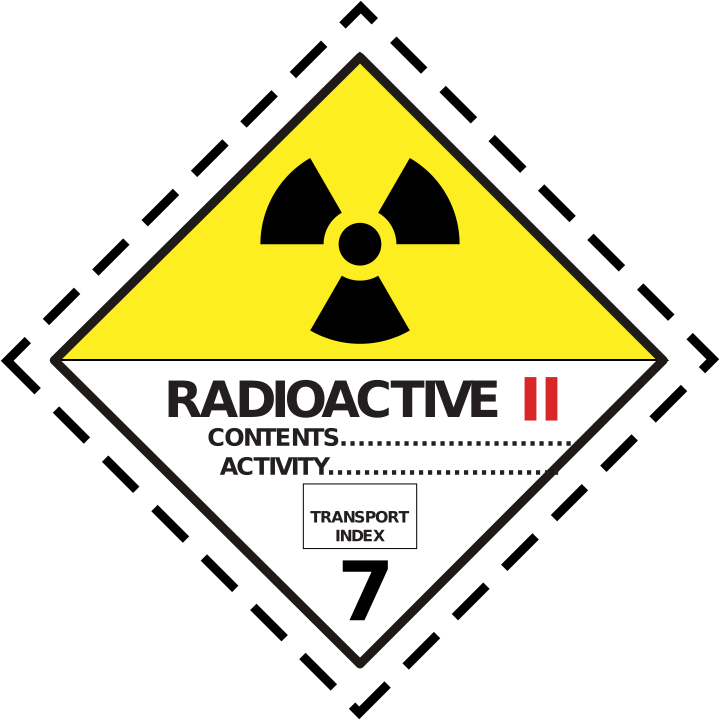
Class 7: Radioactive material

(Like smoke detectors) Accepted in some markets only